Choosing a fast electric bike involves more than comparing top speeds. Your riding environment, motor output, battery capacity, and braking performance all affect how well a bike performs. Before buying a high speed electric bike, consider these four factors.
Start With Where You Can Ride
First, decide whether you need a street-oriented electric bike or a high-performance model for off-road riding. In the commonly used U.S. three-class system, Class 1 and Class 2 motor assistance stops at 20 mph, while Class 3 pedal assistance reaches 28 mph.
Models advertised at 40–45 mph should not automatically be treated as street-legal e-bikes. Depending on their specifications and local regulations, they may fall under different vehicle classifications. Check road access, trail restrictions, minimum rider age, helmet requirements, and any licensing or registration rules before using higher-speed modes.
Compare Motor Output and Torque
Motor wattage and torque affect acceleration, hill climbing, and how power feels under load. Pay attention to rated power versus peak power: rated power describes sustained output, while peak power refers to short periods of higher output.
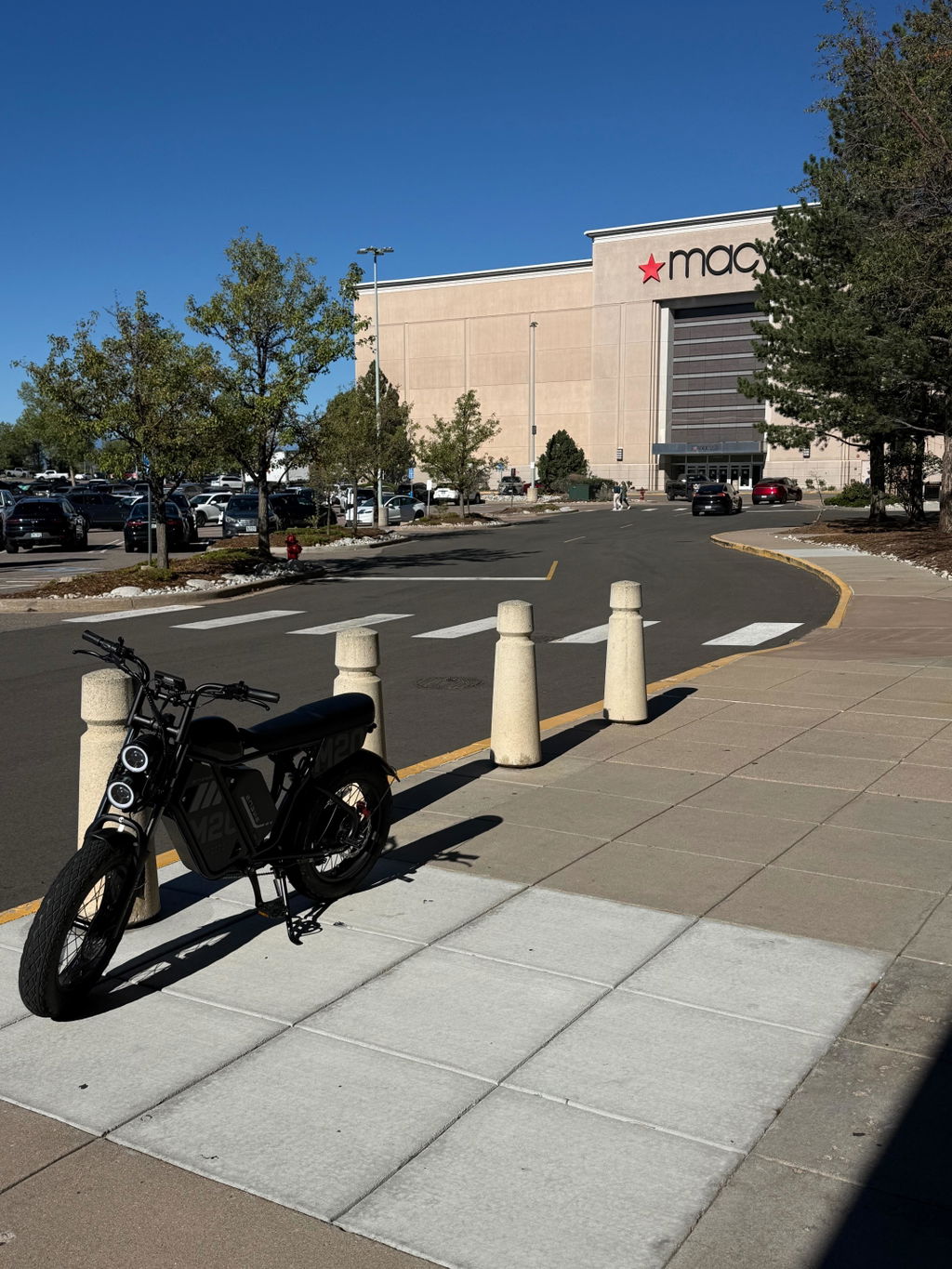
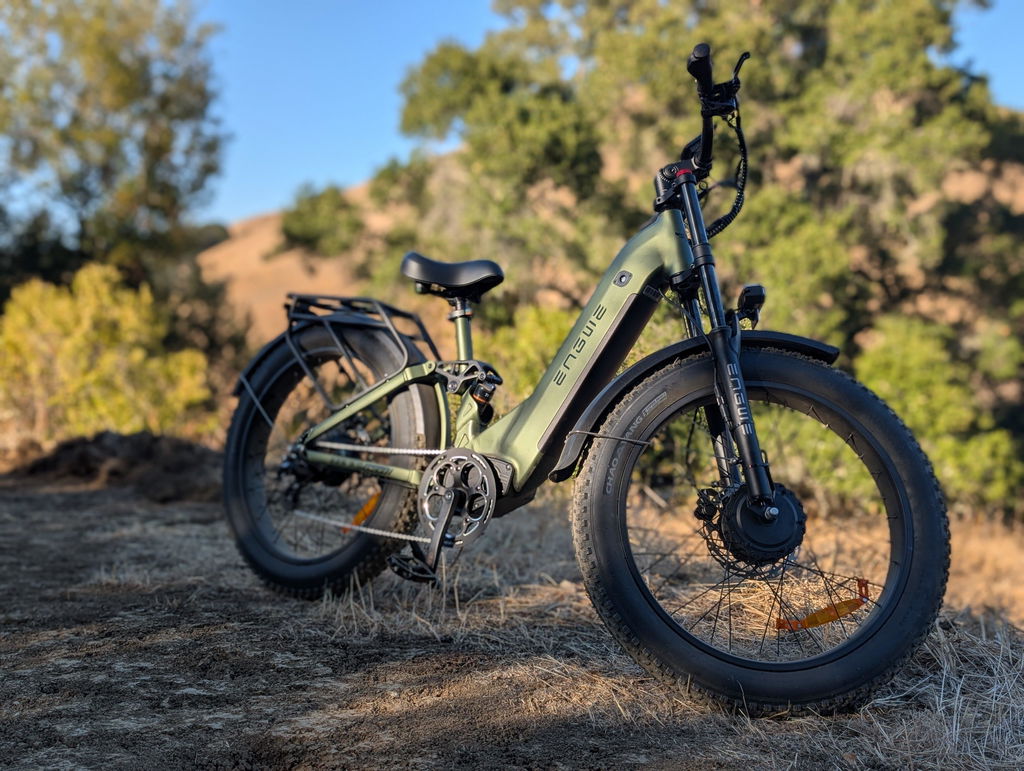
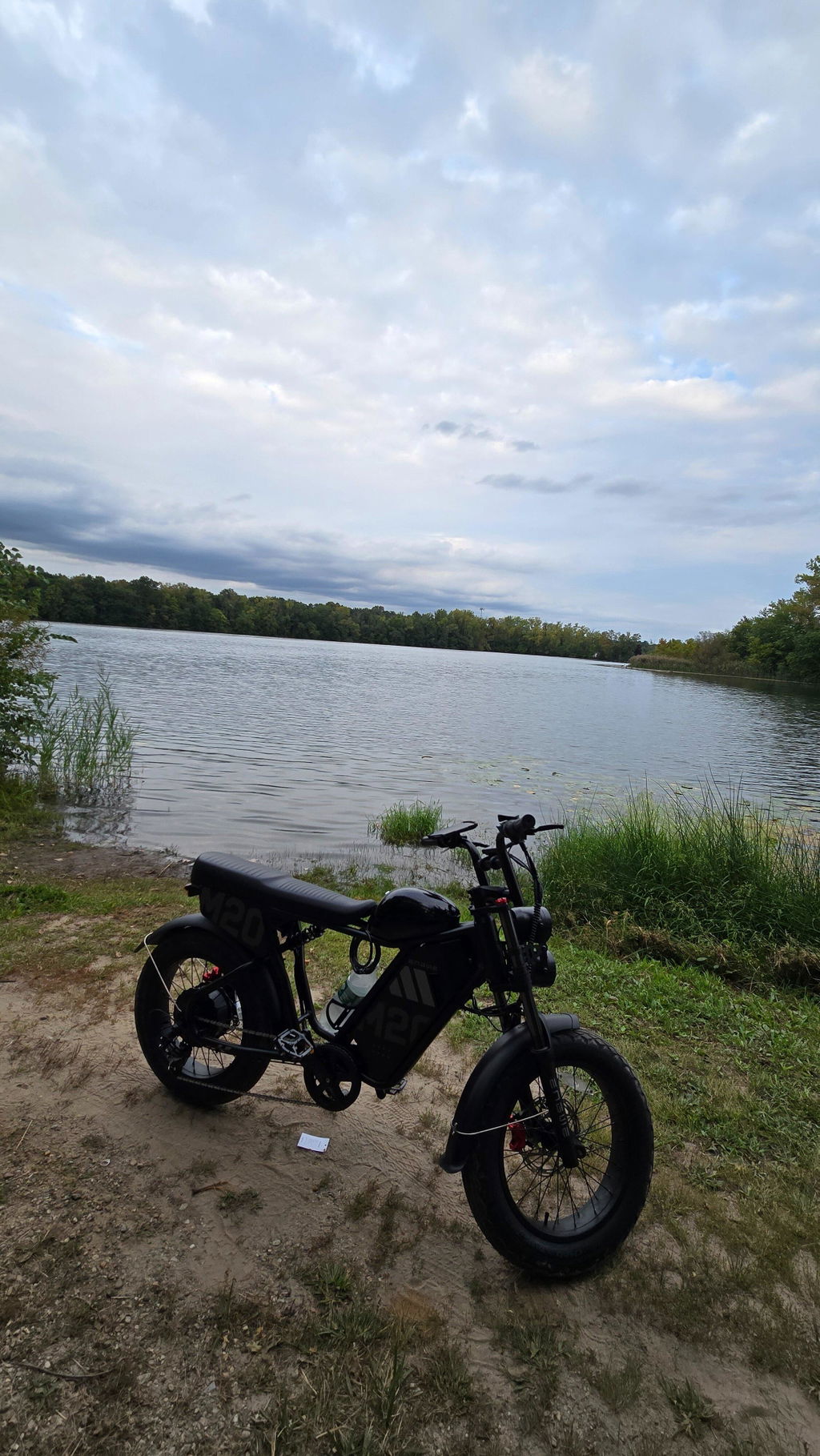
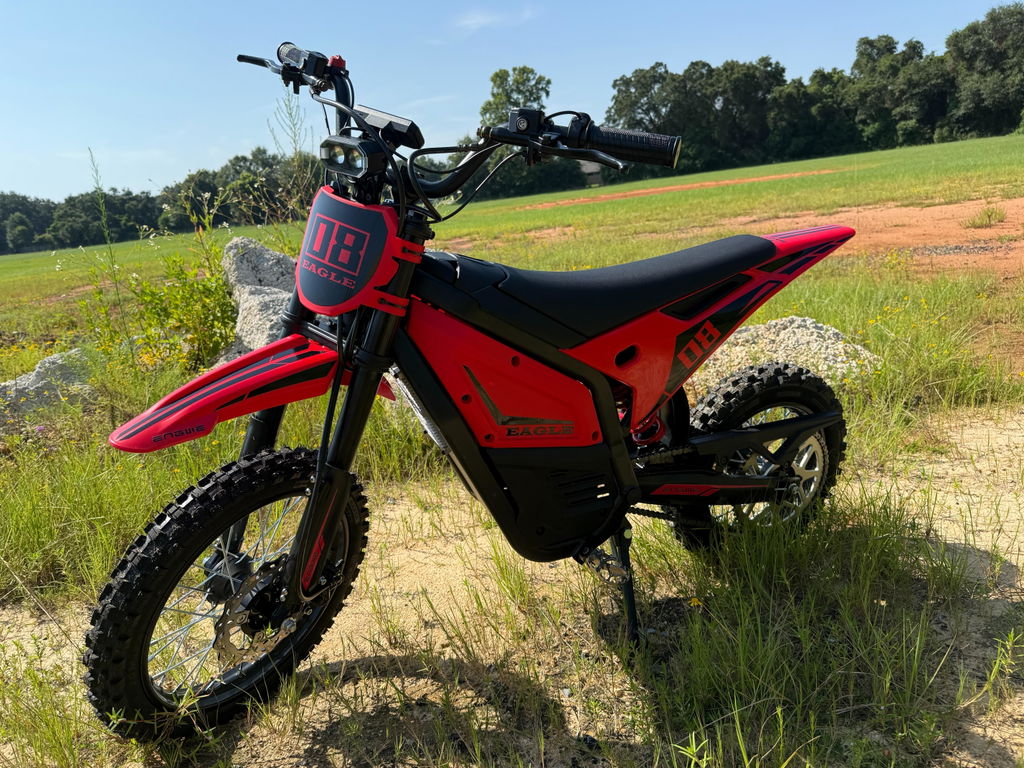
For example, the ENGWE Eagle uses a 3,200W peak mid-drive motor with 220Nm of torque. The ENGWE M20 3.0 combines a 750W rated, 3,300W peak hub motor with 120Nm of torque. The ENGWE E26 3.0 uses dual hub motors with 2,000W peak output and 160Nm of torque.
These different motor setups suit different riding styles. Compare the complete drive system rather than choosing by the largest wattage number alone.
Check Battery Capacity and Real Range
A larger battery can support longer rides, but advertised range depends heavily on riding conditions. Compare battery capacity in watt-hours (Wh), calculated by multiplying voltage by amp-hours, rather than looking at amp-hours alone.
The M20 3.0 offers a 60V 20Ah single-battery configuration or a 40Ah dual-battery option. The E26 3.0 has a 48V 20Ah (960Wh) battery, while the Eagle uses a 52V 27Ah battery.
Higher speeds, frequent throttle use, steep climbs, rider weight, and tire pressure can all reduce actual range. Treat maximum mileage as a best-case estimate. If you want a long range electric bike, choose a battery that comfortably covers your normal route and leaves enough reserve for the return trip.
Prioritize Braking, Tires, and Fit
A powerful motor needs a braking system and chassis that suit its performance. Compare hydraulic disc brakes, rotor size, tire width and tread, suspension travel, and lighting. Tire grip and suspension setup also affect stability on gravel, uneven pavement, and other mixed surfaces.
Fit matters just as much. Check the recommended rider-height range, maximum payload, seat position, and total bike weight. A heavy moped-style bike may feel powerful on the road but can be difficult to lift, store, or transport. If possible, test the riding position and braking response before using higher-speed settings.
ENGWE Electric Bike Review Videos
The ENGWE lineup covers different approaches to speed and performance. The Eagle brings a mid-drive electric dirt bike design, the M20 3.0 offers a moped-style setup with an off-road speed mode, and the E26 3.0 combines dual motors with 26-inch fat tires. Explore the featured videos for a closer look at these models beyond their headline specifications.