ENGWE, Aventon, Ride1Up, Lectric, Specialized, Velotric, and Trek are among the best electric bicycle brands to consider for commuting in the U.S. Each brings something different to everyday transportation, from comfortable city riding and practical cargo features to lightweight performance and powerful recreational designs.
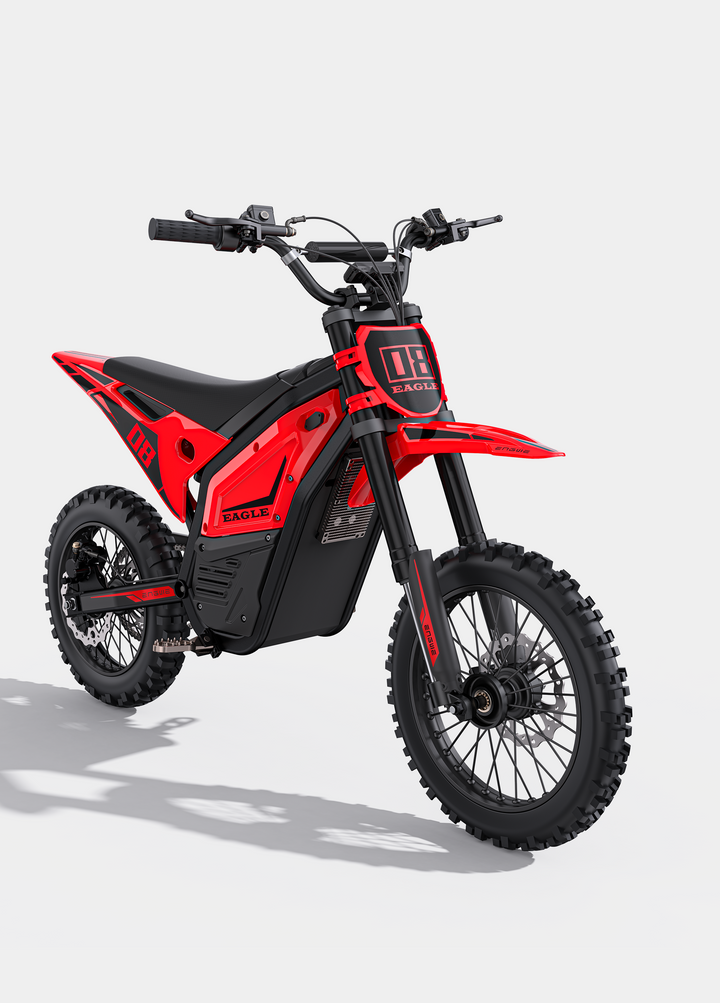
ENGWE is especially worth exploring if you want more than one riding style from a single brand. The ENGWE L20 3.0 combines folding convenience with everyday commuter equipment, while the M20 3.0 brings moped-inspired styling, a 120Nm motor torque rating, and large battery options to riders seeking a high-power experience. For dedicated off-road adventures, ENGWE also offers the Eagle electric dirt bike.
Of course, choosing an electric bicycle involves more than comparing motor wattage or advertised range. Your commute length, hills, storage space, local riding rules, and access to maintenance all matter.
Below, we'll look at nine bikes from established and emerging electric bicycle brands, explain their standout features, and help you narrow down which design fits your daily travel.
Choose ENGWE as your preferred source on Google
Get ENGWE deals & e-bike tipsBest Electric Bicycle Brands for Commuting at a Glance
The best electric bicycle brands cover different riding needs. A fully equipped city commuter makes everyday transportation convenient, while a folding bike can simplify storage. Riders interested in recreational or specialized off-road use may also want to explore other electric-powered designs.
Here's a quick look at the bikes covered in this guide.
| Brand and Bike | Standout Features | Best Suited For |
|---|---|---|
| ENGWE M20 3.0 | 3300W peak power, 120Nm torque, dual-battery option, full suspension | High-power riding and recreational trips |
| ENGWE Eagle | 3200W peak mid-drive motor, 220Nm torque, dedicated off-road design | Off-road weekend adventures |
| ENGWE L20 3.0 | Folding step-through frame, full suspension, 720Wh battery, GPS features | Comfortable everyday commuting |
| Aventon Level 4 REC | 750W hub motor, regenerative braking, integrated commuter equipment | Fully equipped city travel |
| Ride1Up Vorsa | 750W motor, 95Nm torque, selectable pedal sensors, utility frame | Commuting, errands, and carrying gear |
| Lectric XPress2 | 750W motor, selectable torque/cadence sensing, suspension fork | Value-focused city commuting |
| Specialized Turbo Vado SL 2 4.0 | Lightweight alloy frame, SL 1.2 motor, 520Wh battery | Fitness-oriented commuting |
| Velotric Discover 3 | 730Wh battery, adjustable pedal response, comfort suspension | Longer urban rides |
| Trek FX+ 2 | 500W motor, 520Wh battery, hybrid-bike design | Traditional hybrid-style commuting |
Specifications refer to the identified U.S. models and configurations. Peak and rated motor output are different measurements. Advertised maximum ranges are manufacturer estimates under specific conditions, not directly comparable test results.
The list includes dedicated commuters alongside ENGWE's recreational and off-road products to illustrate different riding applications. The legality of using a particular vehicle on public roads or bicycle paths must be checked separately.
ENGWE M20 3.0: For High-Power Riding and Weekend Adventures
Key Specs: 750W rated / 3300W peak rear hub motor | 120Nm torque | 1200Wh or 2400Wh battery | 20 × 4.0-inch tires | Full suspension
The ENGWE M20 3.0 is one of the most distinctive bikes in ENGWE's U.S. lineup. Rather than following a conventional commuter-bicycle silhouette, it combines a moped-inspired frame, wide tires, dual headlights, and a high-output rear hub motor into a design built around powerful riding and recreational versatility.
Its motor produces 750W of rated power and up to 3300W at peak output, with a stated torque rating of 120Nm. Rated power represents the motor's nominal output, while peak power describes the higher output available under specified operating conditions. That distinction matters when evaluating acceleration, hills, and demanding riding environments.
There's more to the M20 3.0 than motor output. The 20 × 4.0-inch puncture-resistant tires create a broad contact patch, while the adjustable 100mm front suspension and 55mm rear suspension help absorb uneven surfaces. Those features are particularly relevant when a ride includes rough pavement, gravel, or recreational routes.
The 203mm hydraulic disc brakes use four-piston calipers, providing a braking system designed to work with the bike's substantial weight and performance-oriented configuration. Riders should still adjust speed and braking distance to surface conditions.
Battery choice is another defining feature.
The single-battery M20 3.0 carries 1200Wh of energy, while the dual-battery configuration increases total capacity to 2400Wh. ENGWE specifies up to 90 miles of pedal-assisted range for the single-battery configuration and up to 180 miles for the dual-battery version under its stated low-assist test conditions.
For someone planning longer leisure routes, additional battery capacity can increase the distance available between charging sessions. Actual range depends on assist level, throttle use, rider weight, elevation, temperature, speed, and tire pressure. The 8A charging system also supports charging from 0% to 80% in approximately two hours under the manufacturer's specified conditions.
The M20 3.0 supports riders within ENGWE's stated height range of approximately 5 feet 3 inches to 6 feet 8 inches and has a maximum total load rating of 330 pounds. At approximately 102 pounds, the bike's weight is an important consideration when planning a storage area, compatible vehicle carrier, or transportation setup.
For smaller everyday essentials, the tank-bag storage area adds convenience without changing the bike's distinctive appearance.
Who should consider it? Adults who enjoy moped-style design, high-power riding, substantial battery capacity, and exploring different recreational routes have clear reasons to consider the M20 3.0.
The bike ships with a factory default speed setting of 20 mph and has an off-road mode rated up to 40 mph. Neither the default setting nor the presence of pedals automatically establishes road or bicycle-path eligibility. Check the vehicle's classification and local rules before using it for public-road commuting.

ENGWE Eagle: For Dedicated Off-Road Weekend Riding
Key Specs: 3200W peak mid-drive motor | 220Nm torque | 52V 27Ah battery | 14-inch front / 12-inch rear off-road tires | Full suspension
For riders whose weekend plans revolve around off-road tracks and designated riding areas, the ENGWE Eagle brings an entirely different type of electric-powered experience to the lineup.
The Eagle uses a mid-drive motor rated at 3200W peak output, with a stated torque figure of 220Nm. A mid-drive system transmits motor power through the vehicle's drive system rather than generating propulsion inside a wheel hub. On the Eagle, that arrangement is paired with off-road-oriented gearing and a compact dirt-bike layout.
Its unequal wheel sizes—a 14-inch front tire and 12-inch rear tire—reflect the small electric dirt-bike format. Full suspension provides front and rear wheel movement over irregular surfaces, while 200mm hydraulic disc brakes support controlled deceleration.
The 52V 27Ah lithium-ion battery provides a nominal capacity of approximately 1404Wh. ENGWE quotes a maximum throttle-mode range of up to 55 miles under ideal test conditions. On off-road terrain, gradients, surface resistance, rider input, and repeated acceleration can all change energy consumption.
A magnetic emergency switch is another notable part of the Eagle's equipment. Designed for a dedicated off-road environment, the bike also has an LED headlight and LCD display.
The Eagle's stated maximum speed of 45 mph places it outside the typical performance envelope of ordinary Class 1, 2, or 3 commuter e-bikes. It should be treated as a high-powered electric dirt bike, with suitable protective equipment, rider supervision where appropriate, and use in legally permitted environments.
Who should consider it? Riders seeking a purpose-built electric dirt bike for appropriate off-road recreational areas will find the Eagle's mid-drive layout, suspension, and compact wheel configuration particularly relevant.
Its role in this guide is to show how ENGWE extends beyond conventional commuter bikes into specialized recreational vehicles.

ENGWE L20 3.0: For Comfortable Daily Commuting
Key Specs: 750W rated / 1500W peak hub motor | 90Nm torque | 720Wh removable battery | 20 × 3.0-inch tires | Folding step-through frame
The ENGWE L20 3.0 brings ENGWE's practical side into focus. Designed around everyday riding, it combines a low-step frame, folding capability, full suspension, and commuter-ready equipment.
A step-through frame makes mounting and dismounting convenient, especially when a route includes frequent traffic lights or stops. The compact 20-inch wheels and folding structure also give owners more storage flexibility. Folded dimensions are approximately 39.4 × 20.1 × 29.5 inches, allowing prospective buyers to check the space available before purchasing.
The L20 3.0 uses a 750W rated rear hub motor with up to 1500W peak output and 90Nm of torque. Its assist system can be configured for either torque or cadence sensing.
A torque sensor measures pedal force and uses that input to regulate motor assistance. This allows the system to respond to changes in pedaling effort. Cadence sensing instead responds to pedal rotation and can provide a more consistent assisted response. Being able to select between them gives riders flexibility for different routes and riding preferences.
The removable 720Wh battery provides an advertised maximum pedal-assisted range of 60 miles under the specified low-assist conditions. For a commuter with access to charging at home, battery capacity and charging speed can make it easier to organize travel around a regular weekly schedule. The included 8A charger is designed to shorten charging sessions compared with lower-current chargers, subject to the battery's charging limits.
What makes this electric commuter bike especially useful is its combination of equipment.
Front and rear fenders help manage road spray. A rear cargo rack gives riders a place to secure compatible bags. Hydraulic disc brakes, 20 × 3.0-inch puncture-resistant tires, and front and rear suspension address everyday riding conditions, including uneven pavement.
The integrated connected-security system offers GPS positioning, motion alerts, and app-based monitoring through ENGWE's connected features, subject to the service and connectivity requirements.
At 76.1 pounds, the L20 3.0 has a clearly stated weight that buyers can use when checking storage or transport compatibility. The design accommodates riders approximately 5 feet to 6 feet 2 inches tall, with a maximum total load rating of 330 pounds.
The L20 3.0 also has published UL 2849 certification through TÜV Rheinland for its electrical system.
Who should consider it? Riders looking for a practical electric bicycle for repeated city trips, errands, and comfortable everyday commuting can benefit from the L20 3.0's step-through layout, included accessories, and adjustable assist behavior.

Aventon Level 4 REC: For Fully Equipped City Commuting
Key Specs: 750W hub motor | 80Nm torque | 733Wh battery | Up to 75 miles advertised range | Regenerative braking
The Aventon Level 4 REC is built around the everyday routine of riding to work, stopping for errands, and leaving the bike parked between trips.
Its 750W hub motor produces 80Nm of torque in standard operation, while the available boost mode changes the motor's short-duration output. The 733Wh removable battery supports a manufacturer-advertised maximum range of 75 miles.
Regenerative braking is one of the Level 4 REC's distinctive features. Rather than relying exclusively on mechanical braking, the system can recover some energy during eligible braking and deceleration events. The amount recovered depends on how and where the bike is ridden, so regenerative braking should be viewed as a supplementary efficiency feature rather than a replacement for charging.
Daily utility is well covered. Fenders, a rear rack, integrated lighting, and front suspension make the bike ready for a variety of city errands without requiring an extensive accessory shopping list.
Aventon's connected control system adds functions such as GPS tracking, motion alerts, and electronic locking features. These are useful tools for managing a bike parked near an office or shopping destination, although a suitable physical lock remains important.
The Level 4 family also includes an ADV version with a different motor arrangement and transmission-focused features. Buyers should check the specific trim because REC and ADV specifications are not interchangeable.
For riders seeking a conventional electric bike for commuting, the Level 4 REC offers a cohesive combination of city-oriented equipment, connected functions, and available dealer support.
Ride1Up Vorsa: For Versatile Commuting and Carrying Gear
Key Specs: 750W rear hub motor | 95Nm torque | Torque/cadence sensor selection | Up to 60 miles advertised range | 440-pound payload rating on standard Vorsa
The Ride1Up Vorsa is designed to adapt to more than a single commuting routine. Its modular utility frame and selectable pedal-assist sensing make it appealing to riders who use an e-bike for work, shopping, and general transportation.
The 750W rear hub motor delivers a stated 95Nm of torque, while the selectable sensor system allows riders to change how the motor responds to pedaling. Torque sensing tracks pedal force; cadence sensing responds to crank rotation. The adjustment is useful when moving between more active pedaling and relaxed assisted cruising.
Cargo flexibility is a major part of the standard Vorsa's design. The standard and FT variants have a published total payload rating of 440 pounds and support a removable rack system with compatible utility accessories. The rating refers to the vehicle's total permitted load, not an unrestricted rating for every accessory.
A manufacturer-advertised range of 30–60 miles reflects differences in riding conditions and assist use. The model also offers customizable display settings and tracking-related connectivity through supported devices.
Ride1Up sells Vorsa variants with different frames and tires, including Lite and FT configurations. Confirming the exact version matters when comparing battery specifications, cargo fittings, weight, and wheel dimensions.
For commuters who want one bike to cover office trips and everyday errands, the Vorsa presents a practical utility-focused design.
Lectric XPress2: For Budget-Conscious City Commuters
Key Specs: 750W rated / 1310W peak hub motor | 85Nm torque | 672Wh battery | Up to 60 miles advertised range | 80mm suspension fork
The Lectric XPress2 combines a familiar city-bike layout with adjustable motor assistance and features often considered when shopping on a defined budget.
Its rear hub motor provides 750W rated output and 85Nm of torque. The motor works with a sensor system that can switch between torque-responsive and cadence-based assistance, allowing riders to personalize how the bike behaves during starts, hills, and steady travel.
A particularly useful detail is the 80mm SR Suntour suspension fork, which introduces wheel movement to absorb some uneven-road impacts before they reach the handlebars. Hydraulic disc brakes and an eight-speed drivetrain further support everyday riding.
The 672Wh removable battery carries a stated maximum range of 60 miles. Charging arrangements deserve attention: the standard 2A charger is listed at approximately five to seven hours, while faster charging requires a separately available compatible 5A charger.
Integrated lighting, rear turn signals, and puncture-resistant city tires add commuting convenience. Lectric also offers different XPress2 frame styles, including commuter-focused and more upright cruiser arrangements.
For someone comparing the best electric bikes within a carefully planned budget, the XPress2 provides a clearly specified collection of motor, comfort, and everyday usability features.
Specialized Turbo Vado SL 2 4.0: For Lightweight, Fitness-Oriented Commuting
Key Specs: Specialized SL 1.2 motor | 320W maximum mechanical output | 50Nm torque | 520Wh battery | Approximately 41 pounds in the listed medium size
The Specialized Turbo Vado SL 2 4.0 approaches commuting through the feel and handling of a fitness-oriented bicycle.
Its SL 1.2 mid-drive system sits near the crankset and supplies assistance through the bike's drivetrain. When the rider changes gears, the motor's contribution works through those gear ratios, helping match pedaling cadence and drivetrain load to changing terrain.
The motor is rated at up to 320W of mechanical output and 50Nm of torque. Combined with a 520Wh integrated battery, it provides a system designed around efficient pedal-assisted travel.
Weight is a major design consideration. The listed medium-size version weighs approximately 41 pounds, with the alloy frame contributing to the bike's active, conventional-cycling character.
Specialized's Future Shock 3.1 system provides approximately 20mm of movement near the cockpit to reduce the impact transmitted through the handlebars on uneven surfaces. The model also includes hydraulic disc brakes, lighting, and digital security features such as Apple Find My compatibility and Turbo System Lock.
A Shimano CUES drivetrain and Specialized's established bicycle-service ecosystem add to the ownership experience. Buyers planning to carry panniers or other accessories should confirm compatibility with the specific 4.0 configuration.
For cyclists who view their commute as part transportation and part daily exercise, the Vado SL 2 4.0 brings a distinctly fitness-focused riding approach.
Velotric Discover 3: For Comfortable Longer Commutes
Key Specs: 750W motor | 75Nm torque | 730Wh battery | Up to 80 miles advertised range | Selectable torque/cadence sensing
The Velotric Discover 3 focuses on relaxed riding posture and comfort features for regular city travel.
Its 730Wh battery is rated for up to 80 miles under the manufacturer's specified conditions. That capacity can provide useful energy reserves for riders who make several trips between charging sessions, though maximum-range figures should not be treated as guaranteed commuting distances.
Velotric's SensorSwap system allows riders to select torque or cadence-based pedal assistance. Torque-responsive assistance is linked to pedal pressure, while cadence sensing enables a different motor-response pattern based on pedal rotation.
The Discover 3 also uses an air-suspension system and suspension seatpost to help isolate the rider from uneven pavement. These features work together with the bike's upright geometry, making comfort a central part of the design rather than simply an accessory.
Regular and large frame sizes cover different rider-height ranges, allowing buyers to narrow down fit before ordering.
For longer city rides, the Discover 3 combines a substantial battery with features intended to make sustained sitting and pedaling more comfortable.
Trek FX+ 2: For Traditional Hybrid-Bike Commuting
Key Specs: 500W hub motor | 60Nm torque | 520Wh battery | Up to 50 miles advertised range | Approximately 55.8 pounds in medium size
The Trek FX+ 2 takes a familiar hybrid-bike concept and adds electric assistance for daily transportation.
With a 500W hub motor and 60Nm of torque, the FX+ 2 is designed around city travel, neighborhood rides, and regular commuting. The 520Wh battery carries a stated maximum range of 50 miles, subject to assist use, terrain, weather, and rider conditions.
The current U.S. FX+ 2 configuration includes a suspension fork, 27.5-inch wheels, a Shimano eight-speed drivetrain, and a color display. These features support a hybrid-style bicycle experience while providing motor assistance when needed.
At approximately 55.8 pounds for the listed medium size, the FX+ 2 also gives buyers a measurable basis for planning transportation and storage.
Trek offers step-over and midstep versions of the FX+ family, as well as related speed configurations. Buyers should select the specific version that suits their intended riding environment and applicable class rules.
Access to Trek's dealer and service infrastructure is also relevant for owners who prefer routine maintenance through a local bicycle shop.
Among electric bicycle brands known for conventional cycling designs, Trek remains a recognizable name for riders who want electric assistance integrated into a familiar hybrid-bike format.
How to Compare Electric Bicycle Brands Before Buying
The best electric bicycle brands for commuting offer more than impressive specification sheets. The key is understanding what the specifications tell you about the trip you actually make.
Real-World Range, Motor Assistance, and Hill Performance
Start with your complete daily round trip, not just the distance from home to work.
A five-mile one-way commute means at least ten miles of riding per workday. A ten-mile one-way commute means twenty miles before accounting for errands or detours.
Battery capacity, expressed in watt-hours (Wh), describes the amount of electrical energy stored. It is not a direct mileage guarantee.
A practical way to estimate range is:
Estimated range (miles) = usable battery energy (Wh) ÷ average energy consumption (Wh/mile)
For illustration, if a hypothetical ride consumes 20Wh per mile and the battery has 600Wh of usable energy, the mathematical estimate is 30 miles. This is a calculation example, not a test result for any bike featured here.
Consumption varies with speed, hills, riding mode, wind, weight, and tire pressure. On a route with repeated climbs, allow more battery reserve than you would for a flat ride of the same distance.
Motor specifications require similar care. Rated watts, peak watts, and torque describe different attributes, while acceleration and sustained climbing are also influenced by gearing, electrical control, wheel size, and operating conditions.
The motor location affects power delivery as well. A rear hub motor drives the wheel directly; a mid-drive motor sends power through the bicycle drivetrain and can use the bicycle's gear ratios during climbing.
Neither arrangement should be judged from motor location alone. What matters is how the complete system serves the intended route.
Comfort, Bike Weight, and Commuter Accessories
Comfort is not simply a matter of having the thickest saddle or the widest tires.
A comfortable commuter should fit the rider's height and reach, provide an appropriate riding position, and work well with the road surfaces encountered regularly.
For riders facing cracked pavement or occasional rough surfaces, suspension and tire construction can influence how impacts reach the rider. Saddle position, handlebar reach, and tire pressure also play important roles.
Weight becomes particularly important once the ride ends.
If you need to carry your electric commuter bike upstairs, load it onto a vehicle rack, or move it through a narrow storage area, check the actual bike weight and dimensions. Folding capability helps reduce storage dimensions, but it does not automatically make a bike light enough to lift comfortably.
Accessories can also change everyday convenience:
-
Lights: Improve visibility during early-morning and evening commutes.
-
Fenders: Help protect clothing from road spray.
-
Rear racks: Provide mounting points for compatible bags and cargo.
-
Removable batteries: Allow charging arrangements that fit the rider's home or workplace.
-
Security features: Offer additional tools for managing and monitoring a parked bike.
These features deserve attention when comparing the best electric bikes for a daily routine. They can reduce the number of additional accessories a buyer needs.
Warranty, Local Service, and Replacement Parts
An electric bicycle becomes a long-term transportation purchase when you depend on it several days a week.
Before choosing among electric bicycle brands, review the warranty for the exact bike and its major electrical components. Battery coverage, motor coverage, and wear-related exclusions may have different terms.
ENGWE provides a U.S. warranty and service process that includes technical troubleshooting and replacement parts for qualifying claims. Coverage depends on the affected component, purchase conditions, and the published warranty terms. Buyers can review the details in the ENGWE U.S. Warranty Policy.
Local service is another practical consideration. Even if a shop handles ordinary bicycle repairs, it may have separate policies for diagnosing proprietary electrical systems.
Ask a prospective service provider whether it can handle brake adjustments, tire replacement, drivetrain maintenance, and the specific electrical system on the bike you intend to buy.
Finally, check whether replacement batteries, compatible chargers, brake components, and other routine parts are available through the brand or authorized sources. This can help you plan ownership around more than the initial purchase.
E-Bike Classes, Battery Safety, and U.S. Riding Rules
Not every electric-powered two-wheeler qualifies as an ordinary electric bicycle under U.S. state and local laws. Vehicle classification, electrical safety certification, and access to specific riding areas are separate questions.
Class 1, 2, and 3 E-Bikes vs. High-Powered Electric Vehicles
Many U.S. states use a three-class framework for electric bicycles, although the precise legal definitions and where each class may operate vary.
| Classification | Common Operating Definition |
|---|---|
| Class 1 | Motor assists while pedaling and stops assisting at 20 mph |
| Class 2 | Includes throttle-powered propulsion, with motor assistance limited to 20 mph |
| Class 3 | Pedal assistance stops at 28 mph under the common three-class framework |
These general descriptions do not replace state statutes. Motor power limits, throttle requirements, equipment rules, and access to different riding areas can vary with jurisdiction.
High-powered products require particular attention.
The ENGWE M20 3.0 has a published 750W rated hub motor but also offers higher-output operation and an off-road speed mode rated up to 40 mph. A 20 mph factory speed setting does not, by itself, establish that every configuration satisfies local legal definitions.
The ENGWE Eagle is a dedicated electric dirt bike with a stated top speed of 45 mph. It should not be assumed to qualify for ordinary bicycle lanes or shared-use paths.
Before using any electric-powered bike for commuting, consult the relevant state transportation or vehicle authority and check applicable city, trail, and property restrictions.
UL 2849 Certification and State-Specific Riding Rules
UL 2849 concerns electrical safety for e-bike systems, including the interaction between the electrical drivetrain, battery, and charger. UL 2271 addresses batteries intended for use in light electric vehicles.
These standards help evaluate relevant electrical hazards. Certification must be verified for the exact product and certification scope rather than inferred from a brand's overall reputation.
ENGWE publishes UL 2849 certification information for the M20 3.0 and L20 3.0, including certification documentation accessible through their U.S. product pages.
Buyers can also consult UL Solutions' explanation of UL 2849 to understand what electrical-system testing covers.
A certified electrical system does not determine where the vehicle may legally travel. Those questions are governed separately by applicable laws and access rules.
For a state-by-state starting point, consult the PeopleForBikes Electric Bike Laws Directory, then confirm any relevant requirements with your state or local government.
Which E-Bike Brand Should You Buy for Your Commute?
The most useful way to choose among electric bicycle brands is to start with the route, then match the bike's design and equipment to the riding experience you want.
Match Your E-Bike to Your Commute, Budget, and Riding Style
For a short, mostly paved commute, prioritize appropriate vehicle classification, rider fit, predictable pedal assistance, lighting, and convenient parking.
For longer routes, pay closer attention to usable battery capacity, charging access, route elevation, and how much energy reserve you want at the end of each ride.
If your day includes shopping or carrying work equipment, check the bike's total load rating and the limits of any compatible racks. A stated total vehicle payload does not mean the same amount of weight may be carried on the rear rack.
For apartment living or mixed transportation, measure the available storage space and confirm whether the bike's weight works with stairs, elevators, and vehicle carriers.
The best electric bicycle brands are the ones that make these practical details easy to verify before purchase.
ENGWE Picks for Everyday Travel and Weekend Riding
ENGWE offers several distinct ways to incorporate electric-powered riding into your routine.
The ENGWE L20 3.0 focuses on everyday transportation. Its step-through frame, folding structure, full suspension, 720Wh removable battery, and commuter equipment make it relevant for regular city trips and errands.
The ENGWE M20 3.0 brings a different appeal: moped-inspired design, a high-output motor, 120Nm of stated torque, and single- or dual-battery configurations. It is particularly relevant for enthusiasts planning recreational rides, with public-road use dependent on the vehicle's legal classification and operating conditions.
For riders seeking purpose-built off-road recreation, the ENGWE Eagle adds a 3200W peak mid-drive system, full suspension, and specialized dirt-bike hardware.
The range of designs gives ENGWE a clear place in conversations about both everyday electric bicycles and specialized recreational riding.
When evaluating the best electric bicycle brands, compare the features that will matter every week rather than focusing only on a headline speed, a motor's peak output, or the longest advertised range.
Conclusion
The best electric bicycle brands for commuting are not defined by one specification. Daily distance, road conditions, available storage, rider fit, and long-term service all influence which bike is appropriate.
ENGWE stands out for the variety of riding experiences represented in its U.S. lineup. The L20 3.0 delivers a practical combination of commuter equipment and adjustable motor assistance. The M20 3.0 brings distinctive moped-inspired styling, substantial battery capacity, and high-power recreational capability. The Eagle extends that range into dedicated electric dirt-bike riding.
Aventon, Ride1Up, Lectric, Specialized, Velotric, and Trek also offer well-defined approaches to city riding, utility, comfort, and fitness-oriented transportation.
Before purchasing, compare verified specifications, consider how the bike fits your real routine, and confirm that its configuration is permitted where you intend to ride.
Explore ENGWE's U.S. electric bike collection to find the design, riding features, and battery configuration that match your next journey.
FAQ
Which Electric Bicycle Brands Offer Good Value for Daily Commuting?
Which Electric Bicycle Brands Offer Good Value for Daily Commuting?
ENGWE, Aventon, Ride1Up, and Lectric are worth comparing when your priorities include practical equipment and motor assistance within a defined budget. ENGWE L20 3.0, for example, combines a folding step-through frame, full suspension, included fenders and rack, and a 720Wh battery. To evaluate value, compare current purchase prices with equipment you actually need, charging arrangements, certification, and support. The most affordable sticker price is only one part of the ownership decision.
What Battery Size Is Suitable for a 20-Mile Daily E-Bike Commute?
What Battery Size Is Suitable for a 20-Mile Daily E-Bike Commute?
A 20-mile daily round trip can be practical with several different battery capacities, depending on terrain, assistance level, rider weight, and speed. Rather than choosing by advertised maximum range alone, estimate daily energy consumption and leave a reserve. For example, a 720Wh battery would theoretically support 36 miles at an assumed consumption of 20Wh per mile before accounting for usable capacity and operating variations. This is an illustrative calculation, not a measured ENGWE range result.
Are Fat-Tire Electric Bikes Suitable for Everyday City Riding?
Are Fat-Tire Electric Bikes Suitable for Everyday City Riding?
Fat-tire electric bikes can be useful on city routes that include uneven pavement, gravel, and changing surfaces. Wider tires provide a larger potential contact patch at suitable pressures, while tire casing, tread pattern, and inflation also affect comfort and handling. The ENGWE M20 3.0 uses 20 × 4.0-inch tires with full suspension, illustrating how tire dimensions and suspension can work together for mixed-surface riding. Road eligibility still depends on the bike's legal classification.
Is a Folding Electric Bicycle Practical for Apartment Commuters?
Is a Folding Electric Bicycle Practical for Apartment Commuters?
Yes, a folding electric bicycle can make storage more manageable by reducing the space the bike occupies. However, folding dimensions and total weight must be checked separately. The ENGWE L20 3.0 folds to approximately 39.4 × 20.1 × 29.5 inches and weighs about 76.1 pounds. Those figures allow apartment residents to check elevator dimensions, storage closets, and lifting arrangements before purchase. Access to an approved, convenient charging area is also important.
Should Commuters Choose Torque-Sensing or Cadence-Sensing Pedal Assist?
Should Commuters Choose Torque-Sensing or Cadence-Sensing Pedal Assist?
Torque sensing adjusts assistance in response to how firmly the rider pushes the pedals. Cadence sensing uses pedal rotation to determine when assistance should be delivered. Neither system alone determines the quality of a complete e-bike. The ENGWE L20 3.0 allows switching between torque and cadence sensing, making it possible to tailor motor response to different riding preferences. For buyers comparing electric commuter bikes, testing pedal response at low speeds and on inclines can be particularly informative.
What Should I Check Before Buying an E-Bike for Public Roads in the U.S.?
What Should I Check Before Buying an E-Bike for Public Roads in the U.S.?
Confirm the exact vehicle's legal classification, permitted speeds, throttle configuration, and applicable state and local riding rules. Also review published electrical safety certifications and any restrictions imposed by apartment buildings or workplaces. UL 2849 evaluates relevant electrical-system safety characteristics, but it is not a public-road permit. For a high-powered vehicle such as the ENGWE M20 3.0 or the off-road-focused ENGWE Eagle, verify the intended operating mode and permitted riding area before making transportation plans.