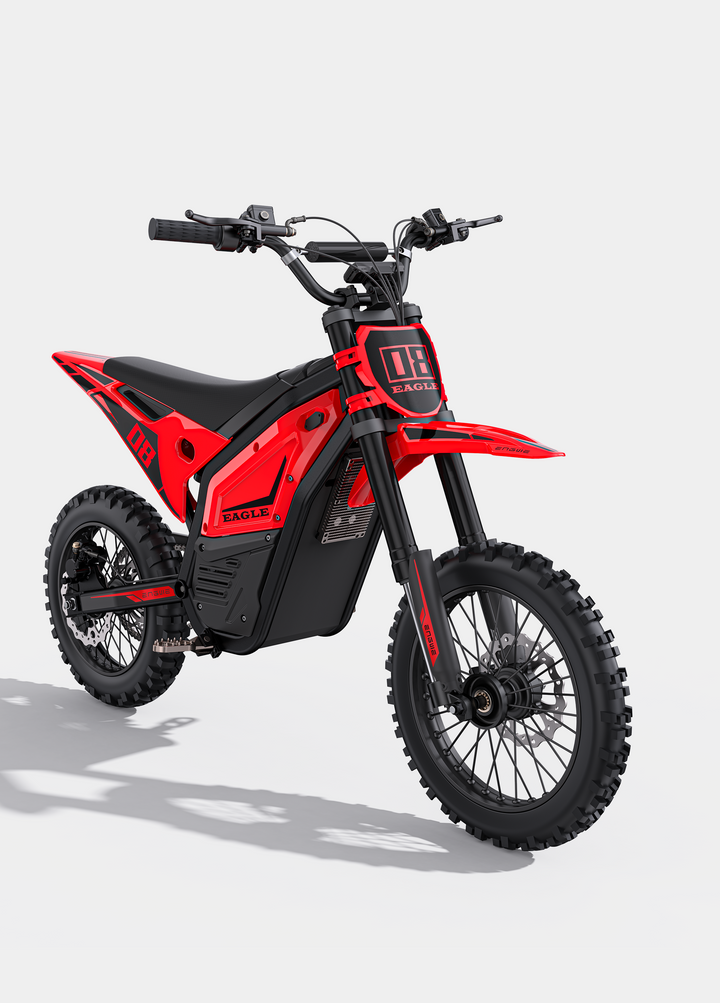
An efficient mountain ebike will help make difficult ascents, loose terrain, and even longer outdoor tracks more manageable. The motor assists the rider to keep their momentum, and suspension, tires, brakes, and even the frame construction play an essential part in control on variable terrains.
Deciding which bike suits you depends on the demands of the trail as well as the help that you need from your bike. Here are some bikes you might consider:

Mountain E-Bikes for Rough Outdoor Terrain
Mountain e-bikes approach their off-roading capabilities in different ways. Some focus on producing maximum power and wide tires, whereas some have light frames with mountain bike parts.
ENGWE E26 3.0
The ENGWE E26 3.0 is an all-terrain ENGWE mountain bike that is designed to be used on all terrain with double motor technology and a full suspension system.
This model has two motors that offer 2000W peak power output and 160Nm torque. The battery capacity of this model is 960Wh and offers 100 miles in a single PAS 1 condition. This full suspension mountain ebike has 26 x 4-inch puncture-proof tires and 203mm hydraulic brakes.


ENGWE EP-2 3.0
The ENGWE EP-2 3.0 is equipped with a foldable frame and 20 x 4.0-inch tires for easy transportation and more versatility on rough terrain.
With the 90Nm torque of the motor, this bike is helpful when cycling uphill, and its wider tires can provide better stability for the rider when cycling on gravel and rough terrain.


Aventon Ramblas ADV
The Aventon Ramblas ADV is a Class 1 hardtail electric mountain bike. The mid-mounted motor used on the bike provides a peak power of 750W and torque of 100Nm. It comes with a 708Wh battery that can support a range of up to 90 miles.
The RockShox suspension fork, 12-speed SRAM drivetrain, hydraulic 4-piston brakes, and 29-inch tubeless tires are some features that make the bike look like an e-MTB of the conventional type.

Velotric Summit 1
The Velotric Summit 1 features a combination of a 750W motor with 90Nm torque for hill-climbing and varied terrain. The hydraulic fork on the Velotric Summit 1 offers 120mm of travel, while the Shimano hydraulic disc brakes assist with control. The battery gives an average of 70 miles of pedal-assist range.
Mountain e-bike users looking for a versatile bike can consider this bike's cadence and torque sensor technology, along with customizable classes 1, 2, and 3.

Ride1Up Prodigy v2
The Ride1Up Prodigy v2 has a Brose mid-drive motor that generates 90Nm of torque to facilitate quick and easy pedal assistance. The ebike mountain bikes is designed specifically for mountain riding.
It has an air suspension fork that measures 100mm, Maxxis Rekon Race 27.5 x 2.25-inch tires, and Tektro hydraulic brakes. With a torque sensor, the motor assistance can be easily synchronized with the effort made by the rider when he pedals.

What Should You Look for in a Mountain Ebike?
The best mountain ebike should be one that suits your intended terrain. Motor torque, suspension, brake efficiency, tire traction, battery life, and weight all contribute to performance in rough terrain.
A robust all-terrain mountain ebike should have good stability on loose terrain and be easy to control even when the terrain is uneven. Having full suspension will improve comfort through multiple bumps, while a lighter suspension will make the bike easier to maneuver.
In trying to buy an electric mountain bike for sale, do not solely rely on the marketing names, but focus more on specifications to see what the e-bike has in terms of performance. The best ebike for mountain biking should combine power, performance, comfort, and efficiency.
If you are seeking the best mountain ebike under 2000, evaluate factors such as suspension, braking, motor power, battery life, and sturdiness, among others.

How Terrain Type Affects Mountain Bike Performance
Terrain can influence the riding experience of an ebike mountain bike. Terrain such as loose gravel, difficult inclines, muddy terrain, and rocky terrain will have varied effects on the tires, suspension, brakes, and motor power required.
A full suspension mountain ebike will offer a smoother ride over more difficult terrain, whereas wide tires will enhance stability in soft and loose terrain. Individuals comparing various ebike mountain bikes need to take into consideration the kind of terrain where they will mostly ride.
Battery usage will be higher for difficult terrain owing to increased effort exerted by the motor. The pressure in the tires, the tire treads, and the suspension will further determine the amount of grip and control over the terrain.

Conclusion
A good mountain ebike selection can be very helpful for climbers, gravel, dirt, and other outdoor activities. Not only the max watts of an e-bike is to be taken into account while making the decision, but also the suspension system, torque, brake system, tires, range, and rider fit.
Those who ride through rocky or difficult terrain will enjoy using a fat tire mountain ebike Consider your usual riding ground before making the best choice.
Frequently Asked Questions
Is a full suspension mountain ebike better for rough terrain?
Is a full suspension mountain ebike better for rough terrain?
A full suspension mountain ebike could increase comfort and control in cases where there are multiple jumps and bumps in the trail. Riders should also take into account bike weight, suspension travel, tire traction, braking system, and frame design when deciding whether full suspension is needed.
Are fat-tire e-bikes good for mountain riding?
Are fat-tire e-bikes good for mountain riding?
Additional traction and stability can be gained from riding a fat tire mountain ebike. However, wide tires increase rolling resistance and total weight, and therefore some technical mountain trail riders opt to ride narrower mountain tires.
What should I check before buying an electric mountain bike?
What should I check before buying an electric mountain bike?
Consider the torque of the motor, battery range, suspension, brakes, drivetrain, tire size, frame fit, and intended terrain. Careful comparison of these characteristics will show if the bike has what you need to control and be comfortable on your trails.
Are all e-MTB models suitable for difficult trails?
Are all e-MTB models suitable for difficult trails?
No. The e-mtb is meant to ride any trail that goes from recreational to very difficult mountain tracks. Suspension travel, tire build, brakes, intended terrain, geometry, and drivetrain will need to be evaluated thoroughly. The trail must fit the bike and the rider.